
Best Flooring for Resale Value in Atlanta Homes
Compare hardwood, LVP, tile and carpet for buyer appeal, durability and realistic return before choosing what to update for a sale.
Compare hardwood, LVP, tile and carpet for buyer appeal, durability and realistic return before choosing what to update ahead of a sale, a refinance appraisal, or simply a longer-term investment in your Atlanta home and how it will be perceived by the next owner.
This guide to the best flooring for resale value Atlanta homeowners can choose from focuses on how buyers and agents actually perceive different materials, not just which one is currently trending, and on the condition and consistency factors that often matter more than the material label alone.
Impeccable Floors provides hardwood installation, refinishing and LVP installation across metro Atlanta, along with tile, laminate and carpet services for households preparing to sell or simply reinvesting in their homes. If you are weighing a broader renovation before listing, our flooring installation cost guide and hardwood refinishing cost guide are useful companion reading.
Best Flooring for Resale Value Atlanta: The Short Answer
For most Atlanta homes, well-maintained hardwood on the main living level remains the flooring type most consistently associated with strong buyer appeal, followed closely by high-quality LVP where hardwood is not practical, such as basements or moisture-prone areas. Tile continues to be the expected standard in bathrooms and is well regarded in kitchens, while carpet's contribution to resale value depends heavily on condition and current buyer taste.
That said, the single biggest factor in whether flooring helps or hurts resale value is not material choice alone; it is condition and consistency, and understanding that distinction can save a seller from an unnecessary full replacement when a more modest repair or refresh would accomplish the same goal. A dated but well-kept material in good repair often shows better than a trendier product installed unevenly or left worn, which is a useful principle to keep in mind before assuming a full replacement is automatically the right call.
Best Flooring for Resale Value Atlanta: What Buyers Actually Notice First
Buyers form impressions quickly during a showing, and flooring is one of the largest visual surfaces in any room. Scuffed, uneven, or visibly patched flooring can distract from an otherwise well-presented home, which is why a modest, well-executed update sometimes outperforms an expensive but poorly finished one, especially when staging and photography are already directing attention to the floor.
Why flooring affects buyer perception
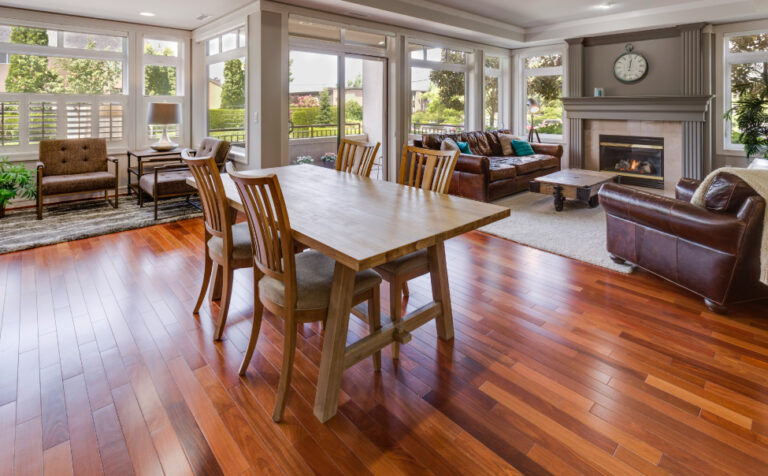
Flooring runs through nearly every room a buyer sees, which gives it an outsized role in shaping the overall impression of a home's condition and care. A home with fresh, consistent flooring often reads as better maintained overall, even when other systems, like the roof or HVAC, have not been recently updated, since flooring condition is one of the few major systems a buyer can fully evaluate with their own eyes during a walkthrough.
The National Wood Flooring Association has published survey-based research suggesting that real estate professionals broadly associate wood flooring with easier, faster sales and stronger buyer interest, and that refinishing existing wood floors is frequently cited among the higher cost-recovery projects for sellers. These are industry-reported patterns rather than guarantees for any individual home, and local market conditions, price point and buyer pool all still play a role. The National Association of Realtors' annual Remodeling Impact Report similarly tracks cost recovery and homeowner satisfaction across a range of interior projects, and flooring-related work regularly appears among the categories reviewed.
In metro Atlanta specifically, a broad mix of housing stock, from historic hardwood-floored homes to newer construction with LVP throughout, means buyer expectations vary somewhat by neighborhood and price range, which is worth discussing with a local real estate agent alongside any flooring decision made specifically for a sale.
Buyers touring homes in person, and increasingly buyers scrolling through listing photos online, both react to flooring in similar ways: consistent lighting, clean lines and a floor free of visible damage photograph well and read as move-in ready. Since so much of the initial buyer interest is generated before an in-person showing, this visual impression matters even earlier in the process than many sellers expect, which is one more reason to address obvious flooring issues before professional listing photos are taken rather than after.
Hardwood: the traditional value driver
Genuine hardwood, whether solid or engineered, continues to be a differentiator that many buyers actively look for, particularly in older Atlanta neighborhoods where original hardwood is common and expected. Refinishing existing hardwood that has simply dulled with age is often one of the more cost-effective ways to improve a home's presentation before listing, compared with a full replacement.
Our engineered vs. solid hardwood comparison explains the tradeoffs between the two if replacement, rather than refinishing, is the right call for a specific room. In general, matching new hardwood to existing flooring in adjoining rooms, in species and finish tone, preserves the sense of a cohesive, well-planned home rather than a patchwork of unrelated updates.
Sheen level is worth a specific mention for sellers: a very high-gloss finish can show dust, pet hair and footprints more readily under showing lighting than a satin or matte sheen, which is one reason many sellers moving toward a sale choose a more forgiving finish when refinishing rather than defaulting to whatever sheen was previously on the floor.
LVP: durability and broad buyer appeal
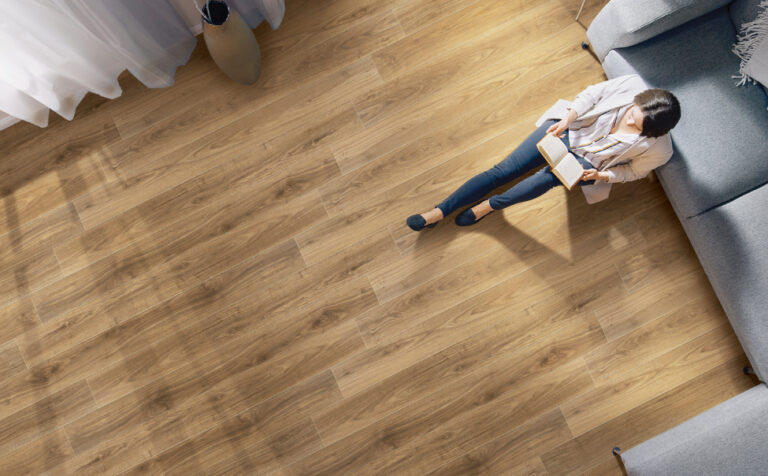
High-quality LVP has become widely accepted by today's buyers, particularly in basements, rental-adjacent properties, and homes where water resistance and low maintenance are priorities. It rarely commands the same premium perception as genuine hardwood in an appraisal or a buyer's mental ranking, but it is a durable, broadly acceptable choice where solid hardwood is impractical.
Our LVP basement flooring guide covers where this material tends to perform best. For resale purposes, choosing a quality wear layer and a professional installation matters more than chasing the least expensive available product, since buyers and inspectors alike can often tell the difference in a walkthrough.
Rigid-core LVP with a realistic wood-look finish has become common enough that many buyers no longer perceive it as a compromise the way earlier vinyl products once were, particularly in secondary living spaces, rental-adjacent homes, or basements where moisture resistance is a genuine practical advantage over solid hardwood.
Tile: where it helps and where it doesn't
Porcelain and ceramic tile remain the expected standard for bathrooms and are well regarded in kitchens, particularly when paired with a clean, neutral grout color and a contemporary layout. Our tile guide for Atlanta kitchens and bathrooms covers material and layout choices in more depth.
Dated tile choices, such as heavily patterned or strongly colored tile from a prior design era, can work against a home's presentation even when the material itself remains structurally sound, since buyers often mentally price in the cost of an update they anticipate making themselves.
Grout condition deserves particular attention before a sale: discolored, cracked or missing grout can make even a structurally sound tile installation look neglected. A thorough cleaning, spot repair or, in some cases, a full re-grout is often a modest investment relative to the improvement in how the room presents.
Carpet and laminate: realistic expectations
Carpet's contribution to resale value is more neutral than hardwood or tile and depends heavily on condition, cleanliness and current buyer taste; a fresh, well-installed carpet in bedrooms is generally acceptable to most buyers, while worn or stained carpet is a common source of buyer hesitation and negotiation. Our guide to replacing worn carpet covers the signs that a replacement is warranted before a sale.
Laminate occupies a similar middle position: a modern, well-installed laminate product in good condition is broadly acceptable, but older or visibly worn laminate can read as dated in the same way older carpet does. Our laminate installation guide explains what a quality installation looks like if you are considering a pre-sale update.
One nuance worth noting is that some buyers specifically prefer genuine hardwood over any resilient or laminate alternative, even a high-quality one, purely for authenticity. That preference is not universal, and a well-executed LVP or laminate installation will satisfy most of the buyer pool, but sellers in higher price points with an expectation of solid hardwood should weigh this before substituting an alternative material purely to save on a pre-sale budget.
Room-by-room priorities for resale
Main living areas, kitchens and primary bathrooms typically have the largest influence on buyer perception, since these are the spaces buyers spend the most time evaluating during a showing. Prioritizing flooring condition in these rooms, even over secondary bedrooms or less-visited spaces, tends to be a more efficient use of a limited pre-sale budget.
Basements and secondary living spaces still matter, particularly in homes where finished square footage is a selling point, but the bar for "acceptable" condition is often somewhat more forgiving than in the primary living areas a buyer sees first.
Secondary bedrooms and closets are typically the lowest priority for a pre-sale flooring update, since buyers spend comparatively little time evaluating them closely. If budget is limited, it is generally more effective to fully address the primary living areas than to spread a smaller budget thinly across every room in the home.

Consistency and flow between rooms
A consistent flooring type and tone across connected living spaces generally reads as more finished and intentional than a patchwork of materials installed at different times, since abrupt transitions can make a home feel disjointed even when each individual material is in good condition.
Where full consistency is not practical or affordable, choosing complementary tones and a clean transition detail between materials is a reasonable middle ground that still presents well without the cost of replacing every floor in the home.
Open-concept homes, increasingly common in newer Atlanta construction, make this consideration especially important, since a single sightline may span the kitchen, dining and living areas. In these layouts, an inconsistent flooring plan is far more noticeable than it would be in a home with more segmented, separately enclosed rooms.
Condition matters more than material alone
A dated but clean, structurally sound floor frequently presents better to buyers than a trendier material installed with visible flaws, uneven seams, or premature wear. Buyers and their agents notice craftsmanship details, such as tight seams, consistent transitions and a level, quiet floor underfoot, more than they consciously register the specific product name, since most walkthroughs are guided by feel and visual impression rather than a technical spec sheet.
This is one reason a professional assessment before listing can be more valuable than guessing which material to install: sometimes the existing floor simply needs cleaning, minor repair or refinishing rather than full replacement, preserving both budget and the home's original character.
Common mistakes that hurt resale value
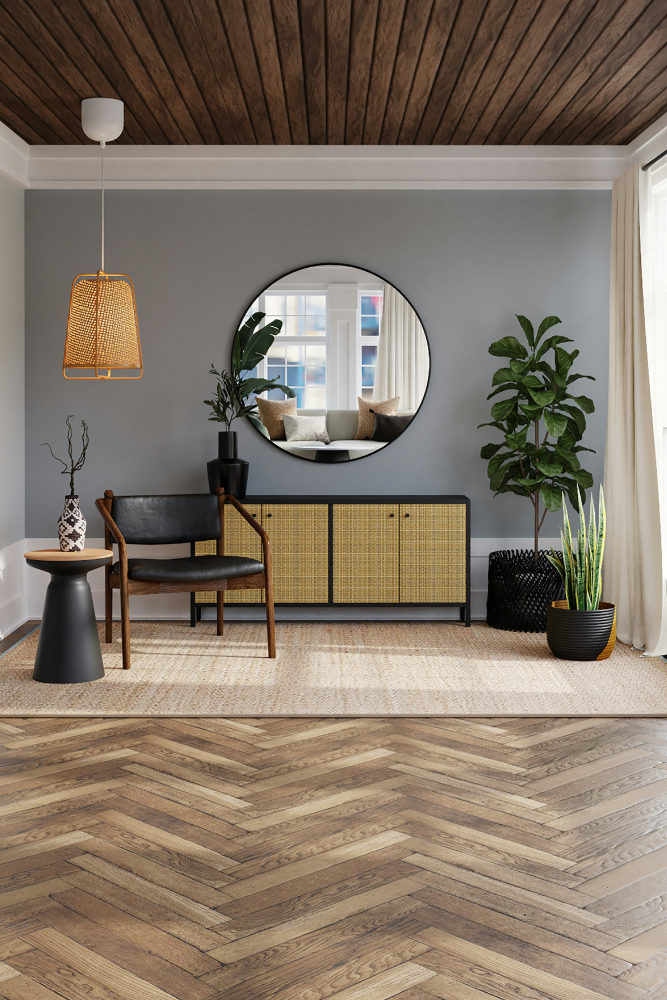
Installing flooring that clashes with a home's overall style or price point, such as an unusually bold pattern in a otherwise neutral, traditional home, can narrow the buyer pool rather than broaden it. Similarly, mixing several unrelated flooring materials across adjoining rooms without a clear transition plan can make a home feel choppy rather than cohesive, undermining the sense of a well-planned renovation even when each individual material choice was reasonable on its own.
Rushing a pre-sale installation without proper subfloor preparation is another costly mistake, since a rushed job that develops issues, such as squeaks or visible unevenness, shortly after listing can raise concerns during a buyer's inspection. Our subfloor preparation guide explains why this step should not be skipped even under time pressure.
Covering a known problem instead of addressing it, such as installing new flooring directly over a moisture issue or a soft subfloor, is a particularly risky shortcut. A home inspector is likely to identify signs of the underlying issue during a buyer's due diligence, which can create a more difficult negotiation than if the issue had been disclosed and addressed before listing.
Planning a resale-focused flooring update
Start with an honest, in-home assessment of each room's flooring condition, then prioritize based on which spaces most influence buyer perception and which repairs are most cost-effective relative to their visual impact. A local real estate agent familiar with your specific neighborhood can add valuable context about what buyers in your price range and area currently expect.
Get a written estimate for each option under consideration, refinishing versus replacement, for example, so you can compare the realistic cost against the likely benefit rather than guessing. Our flooring financing guide is worth reviewing if you plan to finance a pre-sale update rather than paying out of pocket.
Timeline matters as much as budget in a resale context. Confirm realistic lead times for materials and labor against your intended listing date, and build in a buffer for any repairs that demolition or removal of old flooring might reveal, so the project does not delay your sale timeline unexpectedly.

Resale flooring checklist
- Assess flooring condition room by room, prioritizing main living areas, kitchens and bathrooms.
- Decide between refinishing, repair or full replacement for each affected room.
- Confirm whether new flooring should match or complement adjoining rooms.
- Get written estimates for each option under consideration.
- Prioritize subfloor preparation even under a tight pre-sale timeline.
- Discuss local buyer expectations with your real estate agent.
- Keep documentation of any new flooring work for prospective buyers.
When to get a professional opinion
Get a professional flooring assessment when existing floors are worn, mismatched across rooms, or when you are unsure whether refinishing, repair or replacement is the more cost-effective path before listing. A professional can also flag any subfloor or moisture issues that could surface during a buyer's inspection if left unaddressed, giving you time to address them on your own terms rather than during a compressed negotiation window.
Combining that flooring assessment with your real estate agent's read on local buyer expectations gives you a more complete picture than either perspective alone, particularly in a market as varied as metro Atlanta's mix of historic, mid-century and new construction homes.
A professional opinion is also valuable simply for peace of mind: knowing that a floor is sound, even if it is not brand new, allows a seller to disclose confidently and avoid over-investing in a cosmetic update that would not have meaningfully changed a buyer's decision. That confidence, backed by a documented assessment, can also be a useful talking point during negotiations if a buyer raises a concern about the flooring during their own inspection.
Frequently Asked Questions About Best Flooring for Resale Value Atlanta
What is the best flooring for resale value Atlanta homes typically benefit from?
Hardwood is widely viewed by Atlanta buyers and agents as a strong value driver, especially on main living levels, though condition and consistency matter as much as the material itself.
Does LVP add as much resale value as hardwood?
Well-installed, high-quality LVP is broadly accepted by today's buyers for its durability and water resistance, though it does not always carry the same premium perception as genuine hardwood.
Can old flooring hurt a home's resale value even if it still functions?
Worn, dated or mismatched flooring can hurt buyer perception even when the underlying material is durable, since first impressions during a showing are heavily visual.
Does flooring consistency between rooms matter for resale?
A consistent flooring type and tone across connected living spaces generally reads as more finished and intentional to buyers than a patchwork of materials from different eras.
Is tile a safe resale choice for bathrooms?
Porcelain and ceramic tile remain the standard expectation for bathrooms and are generally viewed positively, while carpet is more neutral and depends heavily on condition and buyer preference.
Is refinishing existing hardwood worth it before selling?
Refinishing existing hardwood is frequently cited as one of the higher cost-recovery projects for sellers, though results depend on the floor's condition and the local market.
When should I get a professional opinion before listing my home?
Get a professional opinion when flooring is worn, mismatched across rooms, or when you are unsure whether to repair, refinish or replace before listing.
Flooring is one of the more visible, and often more cost-effective, updates a seller can make before listing a home. Prioritizing condition, consistency and the rooms buyers notice first tends to produce a better result than chasing the newest trend without regard for how it fits the rest of the home, whether the plan is to refinish existing hardwood, replace worn carpet, or simply confirm that current flooring is ready to show as-is. Impeccable Floors is glad to help you evaluate your specific home's flooring before you list.
Updated July 27, 2026. Resale outcomes depend on individual property condition, local market conditions and buyer preferences; consult a local real estate professional for guidance specific to your home.
Editorial references: Review the National Wood Flooring Association research on the value of wood flooring and the National Association of Realtors Remodeling Impact Report. These official resources provide general context; actual resale outcomes depend on the specific property and local market.