

Protect hardwood, LVP, laminate, tile and carpet with material-specific cleaning, moisture control and realistic preventive care. The right answer depends on the actual rooms, substrate and selected product, not a generic rule.
This flooring maintenance Atlanta guide gives Atlanta homeowners a disciplined way to compare conditions, product instructions, installation scope and long-term care before work begins.
Start with an in-home assessment rather than a sample alone. Impeccable Floors provides professional floor care services in Atlanta, and related planning guidance is available in our Atlanta flooring resource. When the room is measured and the substrate is visible, product recommendations become more specific and estimates become easier to compare.
Flooring Maintenance Atlanta: The Short Answer
The safest routine follows the exact material and finish instructions, removes grit frequently and limits standing moisture. This is not a cosmetic technicality: Atlanta pollen, red clay, humidity, pets and intense sunlight create seasonal care demands. A useful evaluation therefore considers the room as an assembly, including the finish material, what supports it, the edges and transitions, and the way the household will use the space. For homeowners comparing options, the goal is not to make the project sound complicated; it is to identify the few conditions that change the decision before material is ordered.
During an in-home review, document flooring records, finish type, cleaning tools, entry paths, HVAC operation and high-traffic zones. Photographs, product records and a written history make that conversation more accurate. Conditions that cannot be seen should be labeled as unknown rather than guessed. That distinction lets the owner compare proposals fairly and prevents a low initial number from becoming the only measure of value.
Flooring Maintenance Atlanta: Practical Details to Confirm
The practical next step is to build a simple written routine for daily, weekly, seasonal and professional care. Product instructions and site conditions govern the final method, so the written scope should identify who verifies each dependency and when. Using one cleaner or steam method on every surface can damage finishes and joints. A careful sequence gives the installer time to stop, explain a discovery and obtain approval instead of covering it under schedule pressure.
Homeowners can help by asking what evidence supports the recommendation, which current instructions apply, how transitions will be finished and what would trigger a change. That approach produces a plan that is understandable without pretending every concealed condition is predictable. It also creates a better record for future cleaning, repairs or renovation.

Entry control for pollen, grit and red clay
The central issue is that preventing abrasive soil from spreading is easier than removing it after traffic grinds it into surfaces. In metro Atlanta, outdoor particles enter through doors, garages, pets and open windows. The visible sample is only one part of the installed result. Substrate, moisture, room geometry, fixed objects and daily traffic all influence whether the selected system remains quiet, cleanable and serviceable.
A professional assessment should review walk-off mats, shoe routines, vacuum frequency, pet cleaning and mat backing compatibility. The purpose is to separate observations from assumptions. Measurements and product documents should guide the recommendation; marketing shorthand should not. Where conditions are concealed, the proposal can state a reasonable allowance and a clear approval process instead of promising certainty.
Putting It Into Practice: Entry control for pollen, grit and red clay
Use the findings to use clean breathable mats approved for the floor and maintain them before they become soil reservoirs. This makes the sequence easier to manage and gives every trade the same target. Rubber or dyed backings can discolor some finishes, and dirty mats can increase abrasion. If a recommendation changes after demolition, the reason should be visible, documented and connected to the requirements of the final system.
A homeowner does not need to become an installer to ask strong questions. Request the product name, approved location, preparation standard, transition plan and care requirements. Then compare complete scopes. A proposal that explains preparation and limitations is more useful than a price that leaves those decisions for installation day.

Hardwood cleaning and finish protection
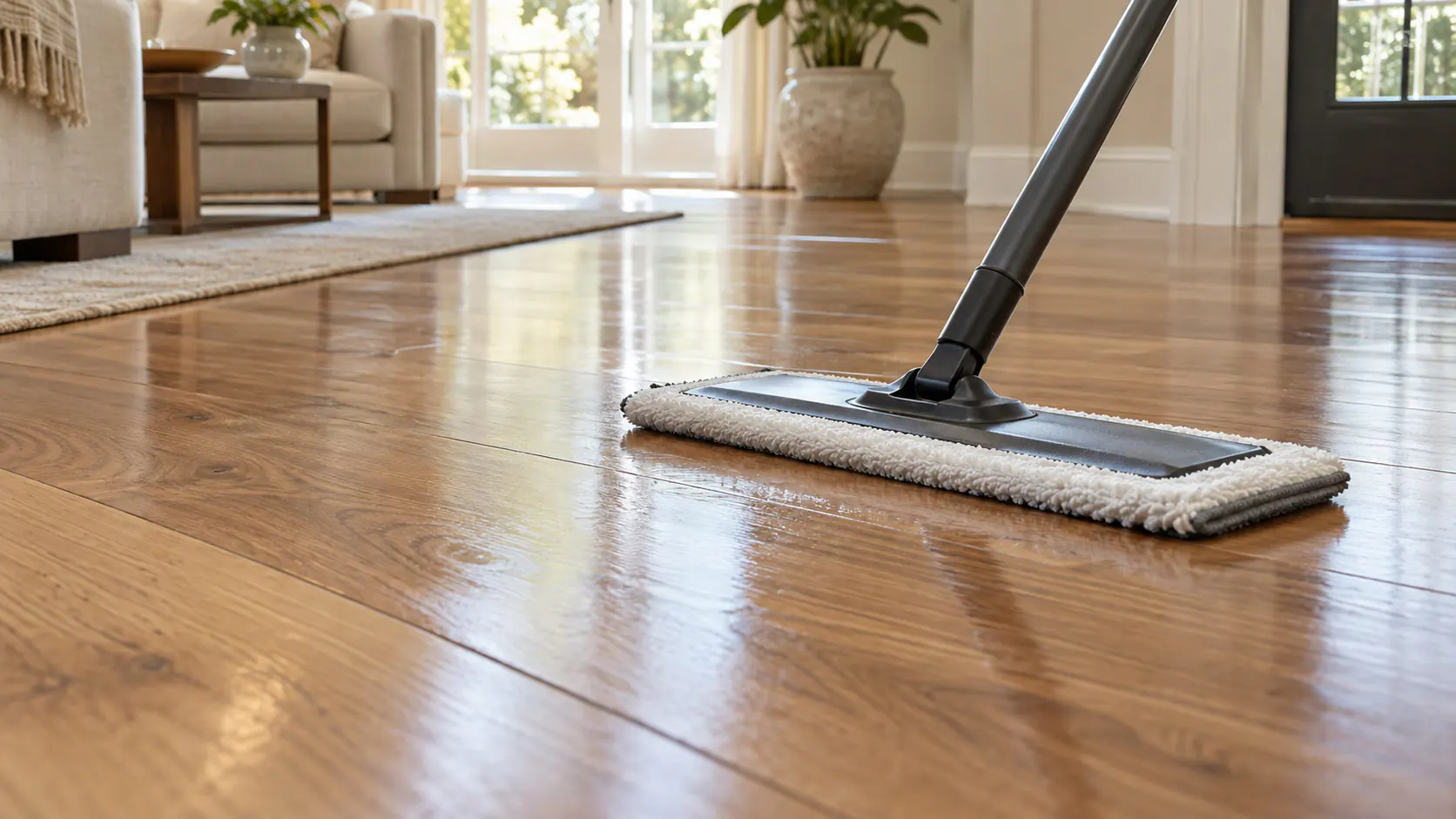
Wood floors need dry soil removal, prompt spill response and cleaners compatible with the finish. That principle matters because excess water and steam can reach seams while harsh products can dull or contaminate coatings. The strongest plan connects technical requirements to the actual household: who uses the room, where water or grit enters, what furniture remains and how the space must function during work.
Before selecting the final approach, inspect finish manufacturer, sheen, worn areas, furniture pads and direct sunlight. Record what is measured, what is observed and what remains concealed. This creates a factual baseline for product selection, scheduling and cost. It also reduces the chance that two proposals appear comparable while assigning different responsibilities.
Decision Point for Hardwood cleaning and finish protection Projects
The recommended action is to vacuum on a bare-floor setting and use only recommended damp-cleaning methods. Current manufacturer instructions, recognized methods and local requirements take priority over generic advice. Oil soaps, waxes or polish can interfere with future recoating when not approved. When several methods could work, compare serviceability, disruption and future repair, not only the fastest installation.
Finish the decision with a short written checklist: approved product, substrate or assembly, preparation, transition, moisture strategy, responsible party and completion criteria. That record helps the crew and gives the homeowner a practical reference after the project. Good documentation is part of craftsmanship because it makes the reasoning behind the finished surface clear.
LVP care without damaging the surface
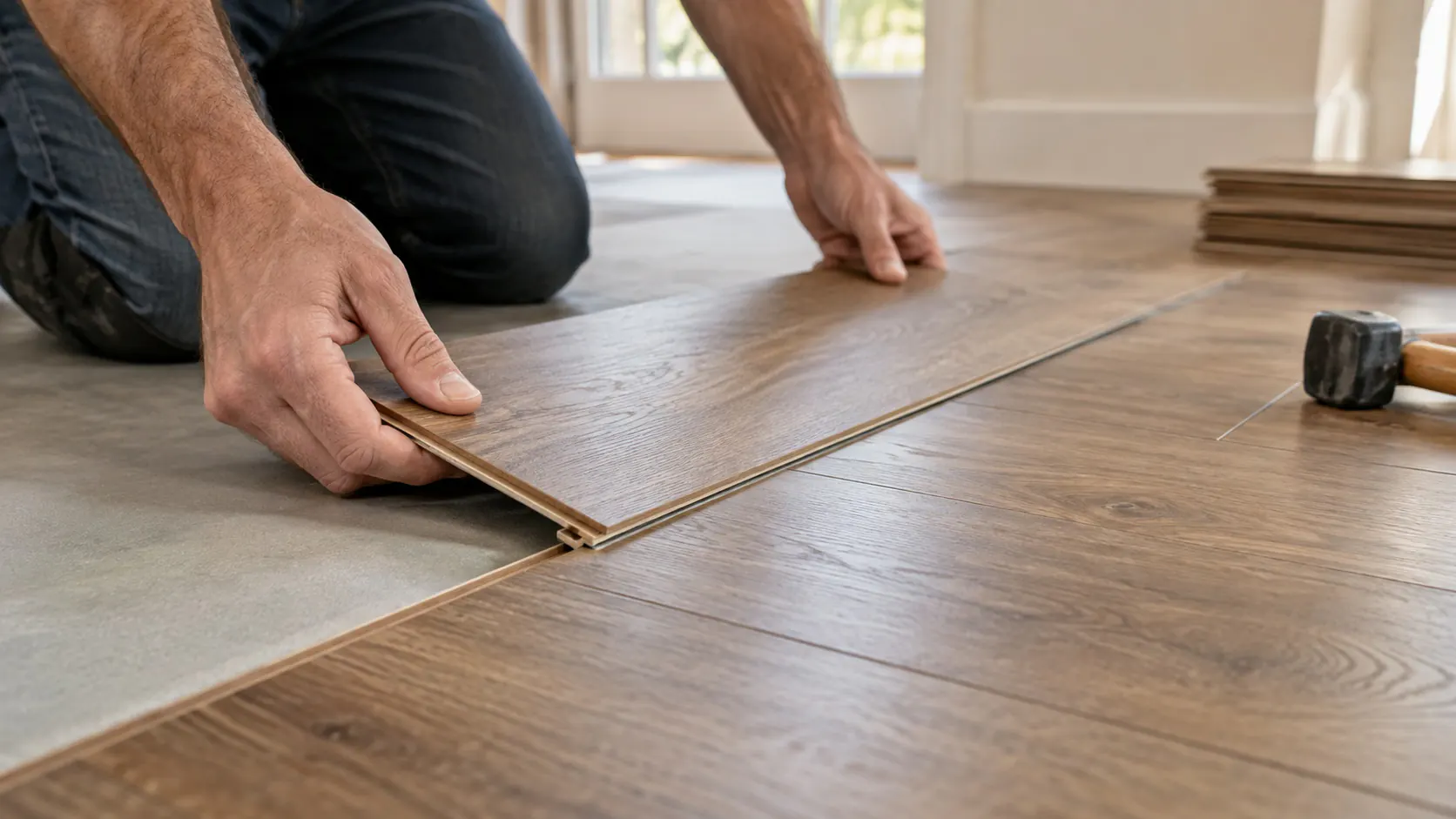
Vinyl plank is easy to maintain when grit, rolling loads and incompatible chemicals are controlled. This is not a cosmetic technicality: water resistance does not make abrasive soil, heat or furniture damage irrelevant. A useful evaluation therefore considers the room as an assembly, including the finish material, what supports it, the edges and transitions, and the way the household will use the space. For homeowners comparing options, the goal is not to make the project sound complicated; it is to identify the few conditions that change the decision before material is ordered.
During an in-home review, document wear surface, manufacturer cleaner list, caster type, rugs and intense window exposure. Photographs, product records and a written history make that conversation more accurate. Conditions that cannot be seen should be labeled as unknown rather than guessed. That distinction lets the owner compare proposals fairly and prevents a low initial number from becoming the only measure of value.
LVP care without damaging the surface: Practical Details to Confirm
The practical next step is to sweep or vacuum regularly, damp clean as directed and protect concentrated loads. Product instructions and site conditions govern the final method, so the written scope should identify who verifies each dependency and when. Steam, solvents and unapproved pads can affect joints, gloss or warranty coverage. A careful sequence gives the installer time to stop, explain a discovery and obtain approval instead of covering it under schedule pressure.
Homeowners can help by asking what evidence supports the recommendation, which current instructions apply, how transitions will be finished and what would trigger a change. That approach produces a plan that is understandable without pretending every concealed condition is predictable. It also creates a better record for future cleaning, repairs or renovation.
Laminate cleaning and joint care
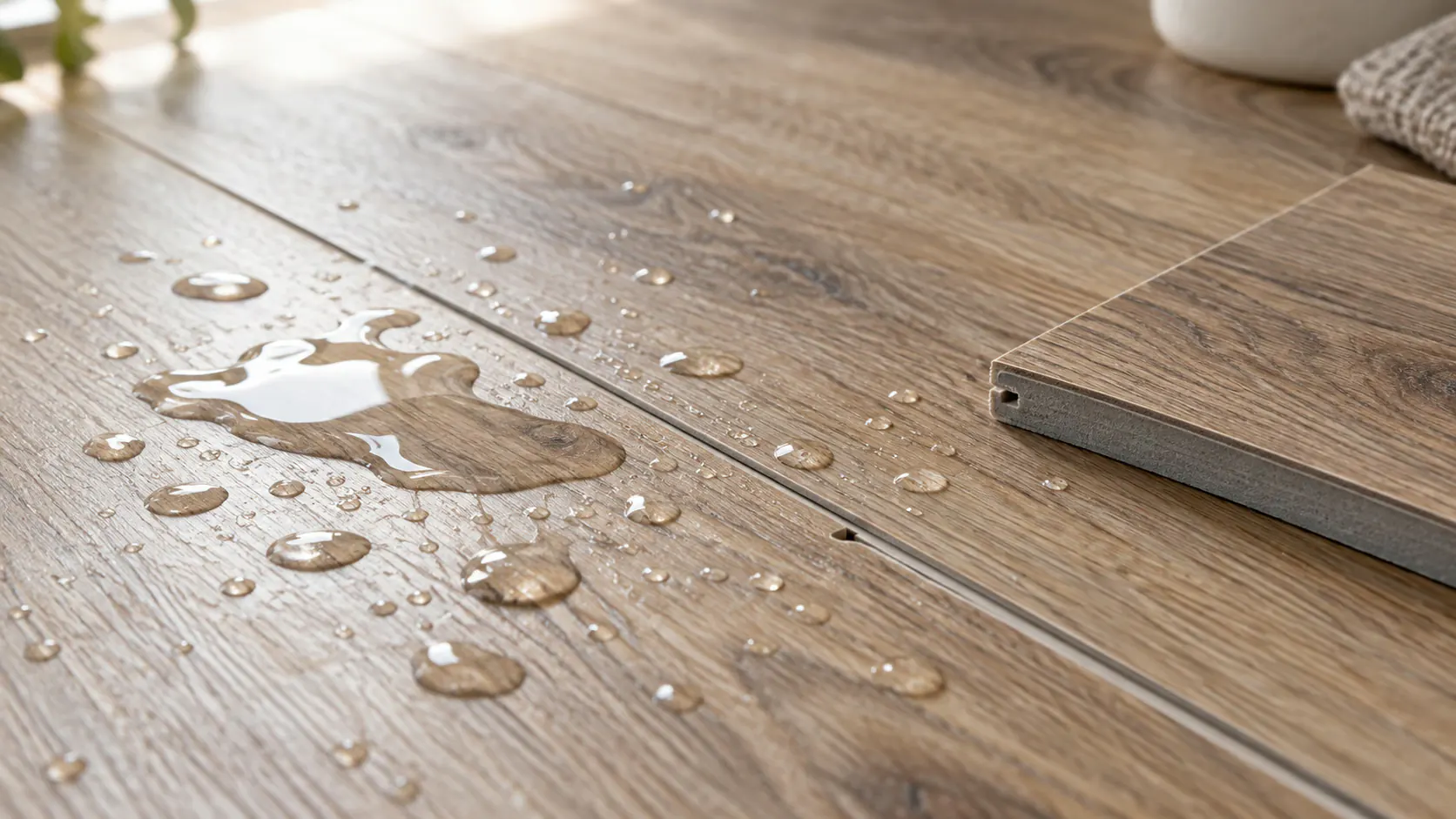
The central issue is that laminate benefits from prompt spill removal and limited moisture at plank edges. In metro Atlanta, surface water claims vary by collection and often depend on joint and perimeter details. The visible sample is only one part of the installed result. Substrate, moisture, room geometry, fixed objects and daily traffic all influence whether the selected system remains quiet, cleanable and serviceable.
A professional assessment should review product identity, edge condition, cleaning directions, chair zones and entry soil. The purpose is to separate observations from assumptions. Measurements and product documents should guide the recommendation; marketing shorthand should not. Where conditions are concealed, the proposal can state a reasonable allowance and a clear approval process instead of promising certainty.
Putting It Into Practice: Laminate cleaning and joint care
Use the findings to use manufacturer-approved dry and lightly damp methods without flooding seams. This makes the sequence easier to manage and gives every trade the same target. Wet mops and steam can expose the core to moisture beyond product limits. If a recommendation changes after demolition, the reason should be visible, documented and connected to the requirements of the final system.
A homeowner does not need to become an installer to ask strong questions. Request the product name, approved location, preparation standard, transition plan and care requirements. Then compare complete scopes. A proposal that explains preparation and limitations is more useful than a price that leaves those decisions for installation day.
Tile and grout maintenance
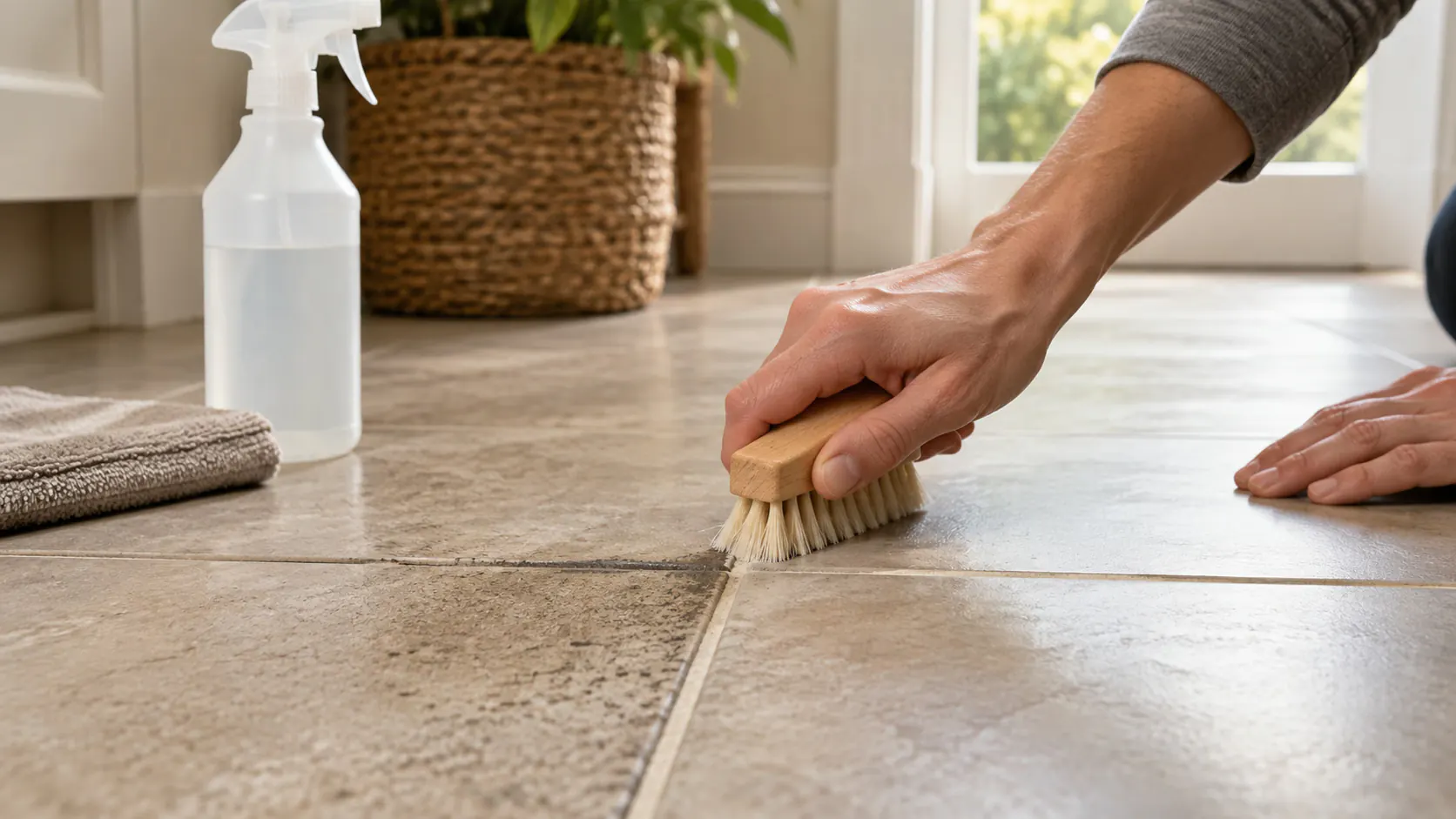
Tile durability does not eliminate the need to clean grout, sealants and transitions with compatible products. That principle matters because soap residue, hard-water minerals and dirty grout can change traction and appearance. The strongest plan connects technical requirements to the actual household: who uses the room, where water or grit enters, what furniture remains and how the space must function during work.
Before selecting the final approach, inspect tile finish, grout type, sealant joints, shower slope and manufacturer chemical resistance. Record what is measured, what is observed and what remains concealed. This creates a factual baseline for product selection, scheduling and cost. It also reduces the chance that two proposals appear comparable while assigning different responsibilities.
Decision Point for Tile and grout maintenance Projects
The recommended action is to use appropriate pH and tools and replace failed flexible sealant where required. Current manufacturer instructions, recognized methods and local requirements take priority over generic advice. Acidic or abrasive cleaners can etch stone, damage grout or change polished surfaces. When several methods could work, compare serviceability, disruption and future repair, not only the fastest installation.
Finish the decision with a short written checklist: approved product, substrate or assembly, preparation, transition, moisture strategy, responsible party and completion criteria. That record helps the crew and gives the homeowner a practical reference after the project. Good documentation is part of craftsmanship because it makes the reasoning behind the finished surface clear.
Carpet vacuuming and spot response
Regular dry-soil removal and prompt approved spot treatment protect carpet appearance and indoor cleanliness. This is not a cosmetic technicality: pollen and fine soil can settle below the visible pile while aggressive rubbing distorts fibers. A useful evaluation therefore considers the room as an assembly, including the finish material, what supports it, the edges and transitions, and the way the household will use the space. For homeowners comparing options, the goal is not to make the project sound complicated; it is to identify the few conditions that change the decision before material is ordered.
During an in-home review, document vacuum height, filtration, traffic lanes, pet areas, warranty and cleaning history. Photographs, product records and a written history make that conversation more accurate. Conditions that cannot be seen should be labeled as unknown rather than guessed. That distinction lets the owner compare proposals fairly and prevents a low initial number from becoming the only measure of value.
Carpet vacuuming and spot response: Practical Details to Confirm
The practical next step is to blot spills, use approved products and schedule deep cleaning for construction and use. Product instructions and site conditions govern the final method, so the written scope should identify who verifies each dependency and when. Overwetting or household mixtures can set stains, leave residue or affect backing. A careful sequence gives the installer time to stop, explain a discovery and obtain approval instead of covering it under schedule pressure.
Homeowners can help by asking what evidence supports the recommendation, which current instructions apply, how transitions will be finished and what would trigger a change. That approach produces a plan that is understandable without pretending every concealed condition is predictable. It also creates a better record for future cleaning, repairs or renovation.
Humidity, sunlight and seasonal changes
The central issue is that interior conditions influence wood movement, comfort, condensation and how finishes age. In metro Atlanta, Atlanta seasons combine humid periods, air conditioning and strong sun through large windows. The visible sample is only one part of the installed result. Substrate, moisture, room geometry, fixed objects and daily traffic all influence whether the selected system remains quiet, cleanable and serviceable.
A professional assessment should review indoor humidity trend, HVAC maintenance, window exposure, fading and gaps or movement. The purpose is to separate observations from assumptions. Measurements and product documents should guide the recommendation; marketing shorthand should not. Where conditions are concealed, the proposal can state a reasonable allowance and a clear approval process instead of promising certainty.
Putting It Into Practice: Humidity, sunlight and seasonal changes
Use the findings to maintain normal occupied conditions and use window treatments without trapping floor heat. This makes the sequence easier to manage and gives every trade the same target. Chasing every seasonal gap with filler or uncontrolled humidification can create other problems. If a recommendation changes after demolition, the reason should be visible, documented and connected to the requirements of the final system.
A homeowner does not need to become an installer to ask strong questions. Request the product name, approved location, preparation standard, transition plan and care requirements. Then compare complete scopes. A proposal that explains preparation and limitations is more useful than a price that leaves those decisions for installation day.
Furniture, pets and scratch prevention
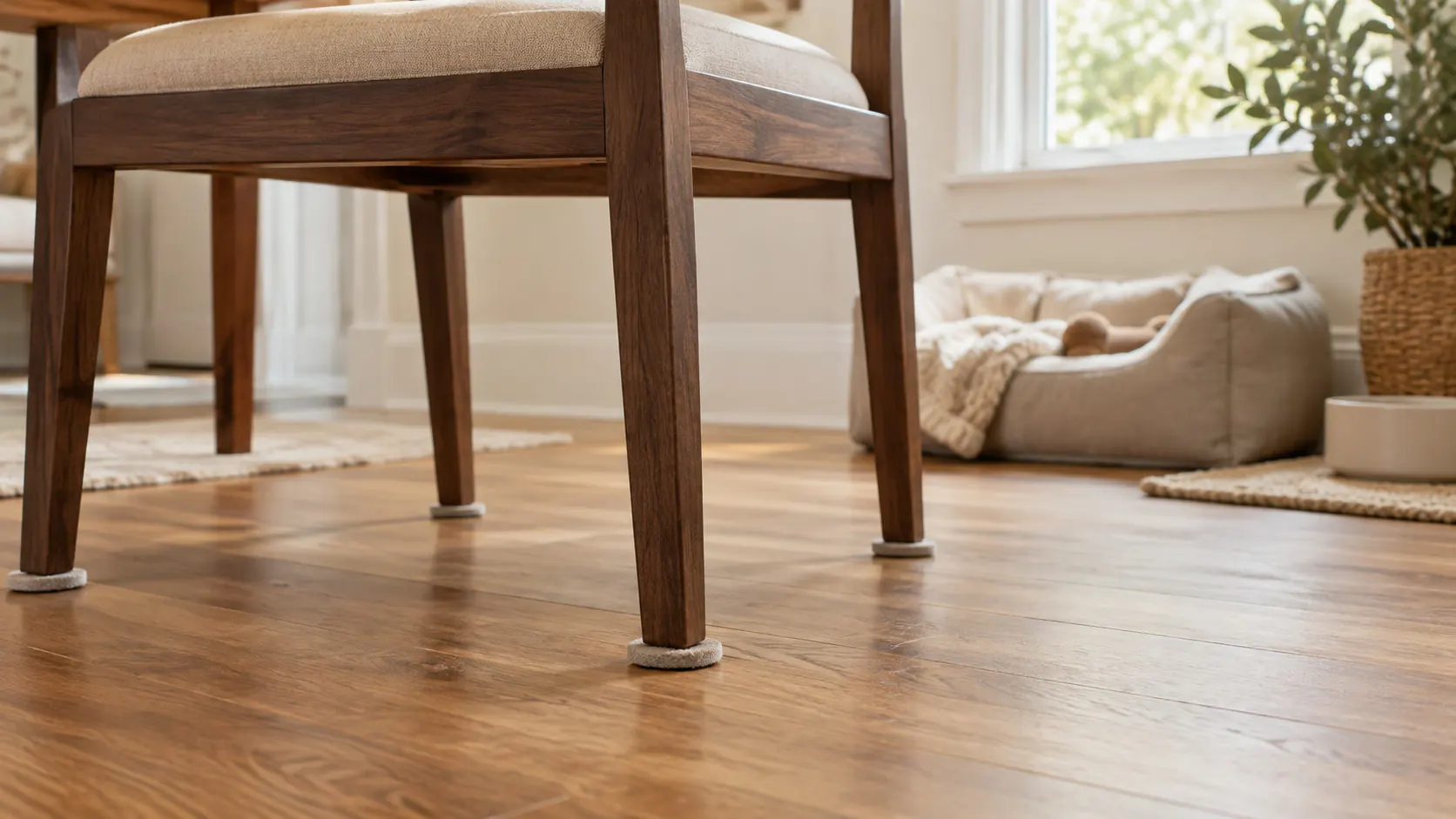
Small protective habits reduce concentrated wear across every flooring category. That principle matters because chair legs, grit under pads, pet nails and rolling equipment create repeated contact. The strongest plan connects technical requirements to the actual household: who uses the room, where water or grit enters, what furniture remains and how the space must function during work.
Before selecting the final approach, inspect pad material, chair movement, caster approval, nail care, food areas and water bowls. Record what is measured, what is observed and what remains concealed. This creates a factual baseline for product selection, scheduling and cost. It also reduces the chance that two proposals appear comparable while assigning different responsibilities.
Decision Point for Furniture, pets and scratch prevention Projects
The recommended action is to clean and replace pads, lift furniture and use protective mats approved for the surface. Current manufacturer instructions, recognized methods and local requirements take priority over generic advice. Dragging loads or leaving dirty felt pads can scratch even durable finishes. When several methods could work, compare serviceability, disruption and future repair, not only the fastest installation.
Finish the decision with a short written checklist: approved product, substrate or assembly, preparation, transition, moisture strategy, responsible party and completion criteria. That record helps the crew and gives the homeowner a practical reference after the project. Good documentation is part of craftsmanship because it makes the reasoning behind the finished surface clear.
When maintenance becomes repair or renewal
Cleaning cannot restore missing finish, broken joints, deep contamination or structural movement. This is not a cosmetic technicality: early professional assessment may preserve more material and limit the affected area. A useful evaluation therefore considers the room as an assembly, including the finish material, what supports it, the edges and transitions, and the way the household will use the space. For homeowners comparing options, the goal is not to make the project sound complicated; it is to identify the few conditions that change the decision before material is ordered.
During an in-home review, document bare wood, deep scratches, loose tile, cracked grout, open seams, persistent odor and moisture clues. Photographs, product records and a written history make that conversation more accurate. Conditions that cannot be seen should be labeled as unknown rather than guessed. That distinction lets the owner compare proposals fairly and prevents a low initial number from becoming the only measure of value.
When maintenance becomes repair or renewal: Practical Details to Confirm
The practical next step is to document the change and request the appropriate flooring or building evaluation. Product instructions and site conditions govern the final method, so the written scope should identify who verifies each dependency and when. Repeated cosmetic treatment can hide a source while damage spreads. A careful sequence gives the installer time to stop, explain a discovery and obtain approval instead of covering it under schedule pressure.
Homeowners can help by asking what evidence supports the recommendation, which current instructions apply, how transitions will be finished and what would trigger a change. That approach produces a plan that is understandable without pretending every concealed condition is predictable. It also creates a better record for future cleaning, repairs or renovation.
Frequently Asked Questions About flooring maintenance Atlanta
What is the best daily flooring maintenance routine?
Remove abrasive grit, wipe spills promptly and use tools approved for the exact floor and finish.
Can steam mops be used on all floors?
No. Many hardwood, laminate and resilient manufacturers restrict steam. Follow the selected product instructions.
How should Atlanta pollen be controlled indoors?
Use entry mats, regular vacuuming, filter maintenance and practical shoe and pet routines.
What cleaner is safe for hardwood?
Use a cleaner approved for the specific finish. Avoid assuming one household mixture is safe for every coating.
Does tile grout need sealing?
It depends on grout type and manufacturer. Sealant does not replace cleaning, waterproofing or movement joints.
How often should carpet be professionally cleaned?
Follow carpet manufacturer and warranty guidance based on use, soil and household conditions.
When should a floor be professionally evaluated?
Seek help for moisture, movement, exposed wood, broken joints, loose tile, persistent odor or damage that routine cleaning cannot correct.
Updated July 27, 2026. Verify current product instructions, site conditions and jurisdiction requirements for the actual property.
Editorial references: Review the National Wood Flooring Association maintenance guidance and EPA indoor-air-quality guidance. These official resources provide context; the selected product instructions and project conditions control the final installation.