
Carpet Pets Allergies Atlanta Guide for Healthier Homes
Balance comfort and quiet with stain protection, vacuumability, pile construction, cushion and a realistic cleaning plan.
The best carpet for an Atlanta pet household is usually a dense, lower- or medium-pile cut construction with durable fiber, strong stain protection and a compatible firm cushion. For allergy concerns, product selection must be paired with effective vacuuming, humidity control and an individualized health plan.
A carpet pets allergies Atlanta plan should balance fiber construction, cleanability, cushion, ventilation and a realistic maintenance routine. This carpet pets allergies Atlanta guide helps families evaluate comfort without ignoring pet accidents or seasonal pollen.
Carpet Pets Allergies Atlanta: The Short Answer
Choose dense cut-pile carpet made from resilient nylon or stain-resistant solution-dyed synthetic fiber for Atlanta homes with pets. Favor a flecked mid-tone that disguises fur and everyday soil, avoid loose loops when claws may snag, and use the manufacturer-required cushion. For allergy-sensitive households, prioritize low-emitting certified products, effective dust-containment vacuuming, prompt spot removal and scheduled deep cleaning.
Carpet is not one uniform material. A plush bedroom carpet, dense stair product and commercial loop behave differently even when they use the same fiber. Durability depends on twist, density, pile height, backing, cushion, installation and maintenance. Selecting only by softness at a sample rack often produces disappointment in traffic lanes.
Atlanta homes also face seasonal pollen, humid summers, red-clay soil and multi-story sound transfer. Carpet can soften upstairs footfall and make bedrooms comfortable, but it should not cover an actively damp slab or replace moisture correction. The right question is where comfort offers the most value without creating a cleaning burden the household cannot maintain.
For rooms where spills and wet paws dominate, compare laminate and LVP before committing to wall-to-wall carpet.
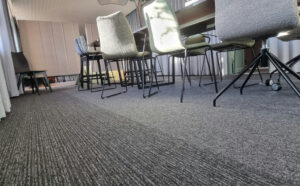
Compare carpet fibers by performance
Carpet Pets Allergies Atlanta Fiber and Pile Choices
Nylon is widely valued for resilience: its ability to recover from compression and hold texture in traffic. That makes it a strong choice for stairs, halls, family rooms and households where dogs travel the same route repeatedly. Stain performance depends on dye method and treatments, so nylon is not automatically immune to pet accidents.
Polyester
Polyester can provide rich color, softness and strong resistance to many water-based stains. Solution-dyed versions place color through the fiber rather than only at the surface, supporting colorfastness. Polyester may show crushing sooner than high-quality nylon in demanding traffic, making density and room placement important.
Triexta
Triexta is a synthetic fiber often marketed for softness and stain resistance. Many products target pet households. Compare texture retention, warranty definitions and cleaning instructions for the exact collection. Category claims do not remove the need for prompt accident treatment.
Wool
Wool offers natural beauty, resilient feel and a refined appearance. It requires compatible vacuuming and cleaning chemistry, and it can cost more. A wool specialist's maintenance guidance matters. Pet households should evaluate stain expectations realistically rather than assuming a premium natural fiber is carefree.
Olefin
Olefin resists moisture and many stains and commonly appears in loop constructions. It can attract oily soil and may crush under demanding traffic. It is useful in selected applications but is not the default best choice for every family room.
| Fiber | Strength | Best fit | Watch for |
|---|---|---|---|
| Nylon | Resilience and traffic performance | Stairs, halls, active homes | Stain system varies |
| Polyester | Color and stain resistance | Bedrooms, moderate traffic | Potential crushing |
| Triexta | Softness and stain-focused options | Family and pet rooms | Product-specific warranty |
| Wool | Natural luxury and resilience | Premium dry interiors | Specialized care |
| Olefin | Moisture and stain tolerance | Selected loop applications | Oil attraction and crushing |
Pile construction matters as much as fiber
Cut pile
Cut ends create a soft surface without closed loops for claws to catch. Textured cut pile disguises footprints and vacuum marks better than velvet-smooth plush. A dense, well-twisted medium height is practical for pets because it balances comfort with vacuum access.
Loop pile
Loop carpet can be durable and casual, but loose or large loops may snag on claws. Once pulled, a run can extend. Tightly constructed low loops may be appropriate for some pet homes after product guidance, but owners who know their animals scratch or hook fibers should favor cut pile.
Cut-and-loop
Pattern comes from combining cut and loop yarns. It can hide traffic and add design, though snag risk remains in looped areas. Strong pattern also makes seam placement and room alignment more visible.
Density, twist and pile height
Dense yarn placement supports adjacent tufts and resists matting. Twist helps cut fibers hold shape. A tall pile may feel luxurious in a hand sample but can trap more visible fur and show pathways. Do not confuse face weight with total quality; two carpets with similar weight can differ substantially in density and construction.
Fold the sample gently to inspect how readily the backing appears. This informal check is not a technical rating, but it illustrates density differences. Ask for performance specifications and intended traffic classification.
Choose carpet for the room, pets and cleaning routine
We can bring suitable samples to your home and compare fiber, density, color and cushion under your actual lighting.
Request a Free Carpet Estimate →
Pet stains, odor and claw durability
Pet-friendly labels can refer to stain coverage, backing barriers, fiber type or marketing bundles. Read what is covered, which cleaning products are required and whether odor, repeated accidents or damage from claws are excluded. “Pet proof” rarely means every event under every condition.
Stain protection
Solution-dyed fibers and effective stain systems can give cleanup more time, but prompt action remains essential. Blot rather than scrub, working from the outside toward the center. Scrubbing spreads contamination and distorts pile. Use an approved spot product and rinse or extract residue as directed because sticky cleaner attracts new soil.
Moisture barriers
Some carpets or cushions include a barrier intended to keep liquid from reaching pad or subfloor. Seams, edges and installation details affect performance. A barrier can simplify cleanup but may also keep liquid concentrated above it until extracted. It does not correct repeated saturation or protect walls.
Odor
Surface deodorizer cannot remove urine that reached cushion, subfloor or base trim. Identify the depth. Localized cushion replacement, subfloor treatment or material replacement may be required before new carpet. Installing over an odor source hides evidence temporarily rather than solving it.
Color selection
Carpet close to the pet's fur color makes shedding less visible between vacuuming. Flecks and multiple tones disguise ordinary soil better than solid cream or very dark colors. Do not choose a color solely to conceal poor cleaning; use appearance forgiveness alongside a realistic routine.
Claws and play
Cut pile avoids closed loops. Keep nails maintained and provide designated scratching surfaces for cats. Carpet offers traction that can help pets compared with slippery hard floors, but very soft tall pile may be hard for older animals to navigate.

Carpet, allergies and Atlanta pollen
Allergy and asthma responses are individual medical issues. Flooring advice cannot diagnose triggers or replace guidance from a clinician. Carpet can capture particles within fibers until cleaning removes them; if not cleaned effectively, that reservoir remains. The practical question is whether the household will maintain the floor and whether a known individual reacts to the environment.
Vacuum performance
Choose equipment tested for soil removal, dust containment and carpet appearance retention. Strong suction without containment can redistribute fine particles. A brush that is too aggressive can fuzz carpet; some wool or loop products call for suction-only equipment. Follow carpet manufacturer requirements.
Vacuum frequency
High-traffic and pet areas need more frequent passes than unused bedrooms. Move slowly enough for airflow to work, use overlapping strokes and empty or change collection media before performance declines. Vacuum edges and under furniture periodically rather than only visible lanes.
Atlanta pollen control
Keep exterior doors closed during heavy pollen periods, use walk-off mats and remove shoes. Maintain HVAC filtration suitable for the system and clean upholstered surfaces, draperies and bedding as part of the same plan. Pollen does not land only on the floor.
Humidity
Atlanta humidity affects dust mites and biological growth more broadly. Operate HVAC and dehumidification appropriately and correct damp crawl spaces or basements. Carpet should never cover an active moisture condition. If a room smells musty, determine why before replacing the visible floor.
Low-emitting products
Programs such as Green Label Plus identify carpet, cushion and adhesives tested for low VOC emissions. Ask for product-specific certification instead of assuming all natural or synthetic products behave alike. Ventilation and manufacturer installation guidance remain important after selection.
The hidden cushion controls comfort and support
Cushion absorbs impact, supports carpet, adds insulation and reduces sound. The softest or thickest option is not automatically best. Excessive cushion lets carpet flex, contributes to wrinkling and seam stress, and may void warranty. Dense low-profile or loop carpet generally needs firmer, thinner support than plush cut pile.
Use the carpet manufacturer's thickness and density range. Stairs and busy halls usually benefit from firm support. Pet-focused cushion may offer a liquid barrier or odor treatment; evaluate seams and cleaning compatibility. Low-emitting certification can be included in indoor-air planning.
Replacing carpet while retaining old cushion is usually false economy unless the complete system is evaluated and permitted. Old pad may be compressed, contaminated or incompatible with the new warranty. Subfloor inspection is also easiest when both layers are removed.
Do not let the hidden layer become an afterthought
Get a complete recommendation for carpet, cushion, seams, stairs and preparation during an in-home visit.
Schedule My Free Consultation →
Where carpet makes the most sense
Bedrooms
Bedrooms are carpet's strongest application. They are dry, moderate traffic and benefit from warmth and sound absorption. Polyester or triexta can deliver softness and stain performance, while nylon adds resilience. A medium pile remains easier to vacuum than very plush construction.
Stairs
Choose dense, lower-profile carpet that bends cleanly over the nose and reveals tread edges. Firm cushion and secure installation improve stability. Pattern requires precise alignment and extra material. Loops need careful consideration around pet claws.
Upstairs halls and bonus rooms
Resilient nylon with a forgiving pattern handles repeated pathways and reduces impact sound below. Plan seams away from the most severe traffic when room width permits. Door clearance and transitions to bathroom tile need attention.
Family rooms
Carpet creates a comfortable play surface and manages echo. Pet households should prioritize stain system, density and access for cleaning. When the room opens directly to an exterior door, LVP or laminate may handle red clay and wet traffic more easily.
Basements
Only carpet a proven dry, conditioned basement after slab and humidity assessment. Wall-to-wall carpet can conceal moisture. Carpet tiles may permit local replacement, but they do not correct vapor or water entry. LVP or porcelain tile is often more practical where uncertainty remains.
Bathrooms, kitchens and laundry rooms
These are generally poor wall-to-wall carpet locations because repeated water, cooking soil and plumbing risk conflict with absorbent textile flooring. Choose a water-tolerant hard surface and use washable removable rugs where desired.
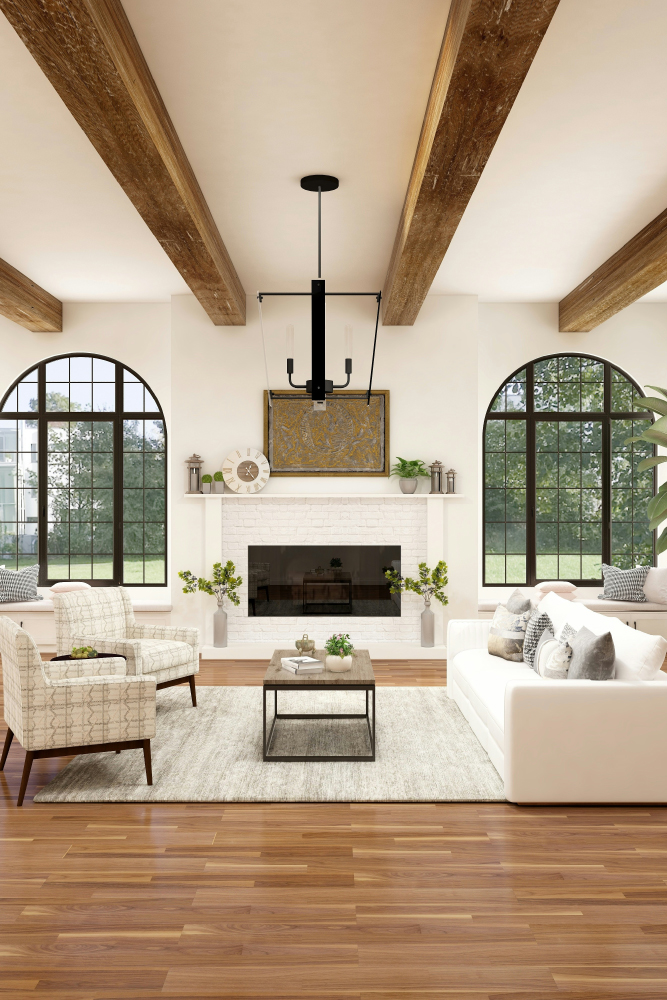
Color and style that remain livable
Mid-tone warm neutrals coordinate with many Atlanta interiors and hide ordinary soil better than white or near-black. Beige is no longer one color: undertones may lean pink, yellow, green or gray. View samples beside paint, wood trim and bedding in daylight and evening light.
Multicolor flecks conceal pet hair and crumbs, while heathered yarn adds quiet variation. Strong geometric patterns can make seams and stairs difficult; obtain a layout and waste allowance. Dark carpet can make a room feel intimate but reveal pale lint. Light carpet enlarges visual space but shows entry soil.
Texture affects apparent color because yarn reflects light differently when brushed. Walk over a large sample and vacuum it in multiple directions. Plush surfaces show footprints; textured styles disguise them. A sample held vertically does not look the same installed flat.
- Match color to fur and common soil without masking needed cleaning.
- Choose density before maximum softness.
- Check pattern repeat and seam placement.
- View samples flat in home lighting.
- Confirm stain and pet warranty definitions.
- Select cushion with the carpet, not later.
What professional carpet installation includes
Rooms are measured with seam direction, roll width, pattern repeat, closets, stairs and waste in mind. The cheapest material layout may put seams under severe traffic or create visible shade direction changes. Carpet pile has direction; reversing it changes appearance.
Removal and substrate
Old carpet and cushion are removed, exposing the subfloor. Pet contamination, loose panels, protruding fasteners and moisture evidence should be addressed. Covering odor or squeaks wastes the opportunity to correct them.
Tack strip and seams
Existing tack strip is evaluated rather than automatically reused. Seams are planned and properly sealed according to the carpet system. Every seam is potentially visible under side light, but careful location and construction reduce prominence.
Stretching
Power stretching helps prevent wrinkles and buckles. Knee-kicker-only installation across rooms is not equivalent. Temperature and material conditioning follow manufacturer guidance. Carpet is trimmed and secured at transitions without creating trip edges.
Stairs
Waterfall and upholstered stair methods produce different appearance. Each tread and riser must be secure. Open sides, landings, turns and patterned carpet add labor and material. Discuss edge details before the roll is cut.
Explore our professional Atlanta carpet installation process and see completed rooms in the gallery.
A realistic cleaning and accident plan
Vacuum high-traffic lanes and pet areas frequently with approved equipment. Remove dry soil before it cuts fibers. Rotate furniture where practical and use protectors under legs. Address spills immediately using the carpet maker's method; oversaturating a small spot can drive liquid into cushion.
Keep an approved spot-cleaning kit accessible before an accident occurs. Test products in an inconspicuous location. Avoid colorful towels that transfer dye. Blot until little moisture returns, rinse only as directed and accelerate normal drying without overheating.
Professional hot-water extraction or another approved deep-cleaning method removes embedded soil that vacuuming cannot. Frequency depends on use and warranty; pet homes may need more attention. Select a qualified provider and retain cleaning records if coverage requires them.
Entry mats, shoe removal, HVAC filtration and pet grooming reduce what reaches carpet. During Atlanta pollen season, wipe paws and coats after outdoor time. Cleaning the source is easier than extracting a houseful of tracked particles later.
Confirm your location on our metro Atlanta service areas page.
Find carpet that fits your household
Compare durable, comfortable options and receive a complete carpet-and-cushion estimate in your home.
Get My Free Carpet Estimate →Replacement, repairs and warranty records
Wall-to-wall carpet is not refinished like hardwood. When wear becomes permanent, backing separates, odors penetrate the system or stains cannot be removed safely, replacement is usually the renewal method. Small burns or isolated damage may be patched using retained matching carpet, but seams can remain visible and color from a stored piece may differ from carpet exposed to sunlight and traffic.
Keep a labeled remnant from installation in a clean, dry, conditioned location. Record the manufacturer, style, color, production information, cushion and installation date. Save invoices and professional cleaning receipts. Some warranties require documented maintenance, approved cleaning methods or specific cushion. A headline “lifetime stain warranty” may define excluded substances, repeated pet accidents or required response times, so read the complete terms before purchase.
When replacing carpet after pet contamination, inspect all layers. New carpet over affected cushion or subfloor can inherit odor. Baseboards, tack strip and wall edges may also require evaluation. Conversely, do not replace an entire sound installation solely because one small area can be professionally repaired. A careful assessment distinguishes surface soil, cleanable staining, cushion contamination and structural subfloor issues, allowing the scope to match the actual damage instead of assuming either the cheapest or most extensive remedy.

Before approving a carpet project, ask the installer to record the exact carpet style, fiber, cushion, seam plan, stair rating, transition details and care instructions. Keep that information with the warranty and a small labeled remnant. This simple record helps Atlanta homeowners choose compatible cleaning methods, discuss future repairs accurately and distinguish ordinary wear from a condition that deserves professional inspection.
Frequently asked questions
What carpet is best for dogs and cats?
Dense low- or medium-pile cut carpet with durable fiber, stain protection and compatible cushion is practical. Avoid loose loops when snagging is likely.
Can people with allergies have carpet?
Many can, but sensitivities are individual. Effective vacuuming, deep cleaning, humidity control and medical guidance matter. Flooring advice is not a medical diagnosis.
Is nylon or polyester better for pets?
Nylon is valued for resilience; solution-dyed polyester can offer strong stain resistance. Construction, treatment and warranty matter with fiber.
What carpet is best for stairs?
Use dense lower-profile carpet approved for stairs with firm manufacturer-specified cushion and secure installation.
Should carpet go in an Atlanta basement?
Only in a proven dry conditioned basement after moisture assessment. Correct water and humidity first; consider more water-tolerant flooring where risk remains.
Does pet cushion stop every accident?
No. Barrier cushions can limit penetration, but seams, edges and repeated saturation matter. Prompt extraction and source treatment remain essential.
How often should pet-home carpet be vacuumed?
As often as traffic, shedding and the product require. Pet and high-use lanes generally need more frequent cleaning than low-use bedrooms.
Published and reviewed July 27, 2026. Individual health questions belong with a qualified clinician; product instructions govern care and warranty.
Editorial references: Review carpet cleaning and particle-control information from the Carpet and Rug Institute indoor-air-quality resource alongside the EPA guidance for improving indoor air quality at home.